Work & Money
How to Respond to Mansplaining: Scripts That Work
The exact words for the meeting, the email thread and the family dinner, plus a quick test for telling mansplaining from someone who is actually helping.

The best way to respond to mansplaining is one short, calm sentence that names what you already know, said without apology, and then silence. "I know, thanks. As I was saying." You do not argue, list your qualifications or laugh it off. You take the floor back and carry on.
You are three sentences into your update when a man across the table explains your own project to you. The sting is not that he disagreed. It is that he assumed you did not know.
How to Tell Mansplaining From an Explanation
In our working definition, mansplaining is a man explaining something to a woman that she already knows, in a tone that assumes she does not, usually without being asked. Rebecca Solnit described it in 2008, before the word existed, in Men Explain Things to Me: a party host told her about the "very important" new Muybridge book, which she had written, and her friend had to say "That's her book" three or four times.
Not every explanation from a man is mansplaining. Our three question test:
- Did I ask? An answer to your question is help. An unrequested lecture is not.
- Does he know what I know? If he has checked, he is sharing. If he has assumed, he is explaining down.
- Would he say it this way to a man with my job? If the tone would change, that is the tell.
Three noes, and it is mansplaining. It is the assumption, not the explaining.
What are examples of mansplaining? You are the engineer on the call, and he walks you through the code you wrote. You say you have read the contract, and he summarises it anyway. Not mansplaining: a colleague answering a question you asked, or a man who says "Stop me if you know this" and then stops.
How do you know if someone is mansplaining? Run the three questions. Three noes, and you have your answer. One yes, and treat it as a normal conversation.
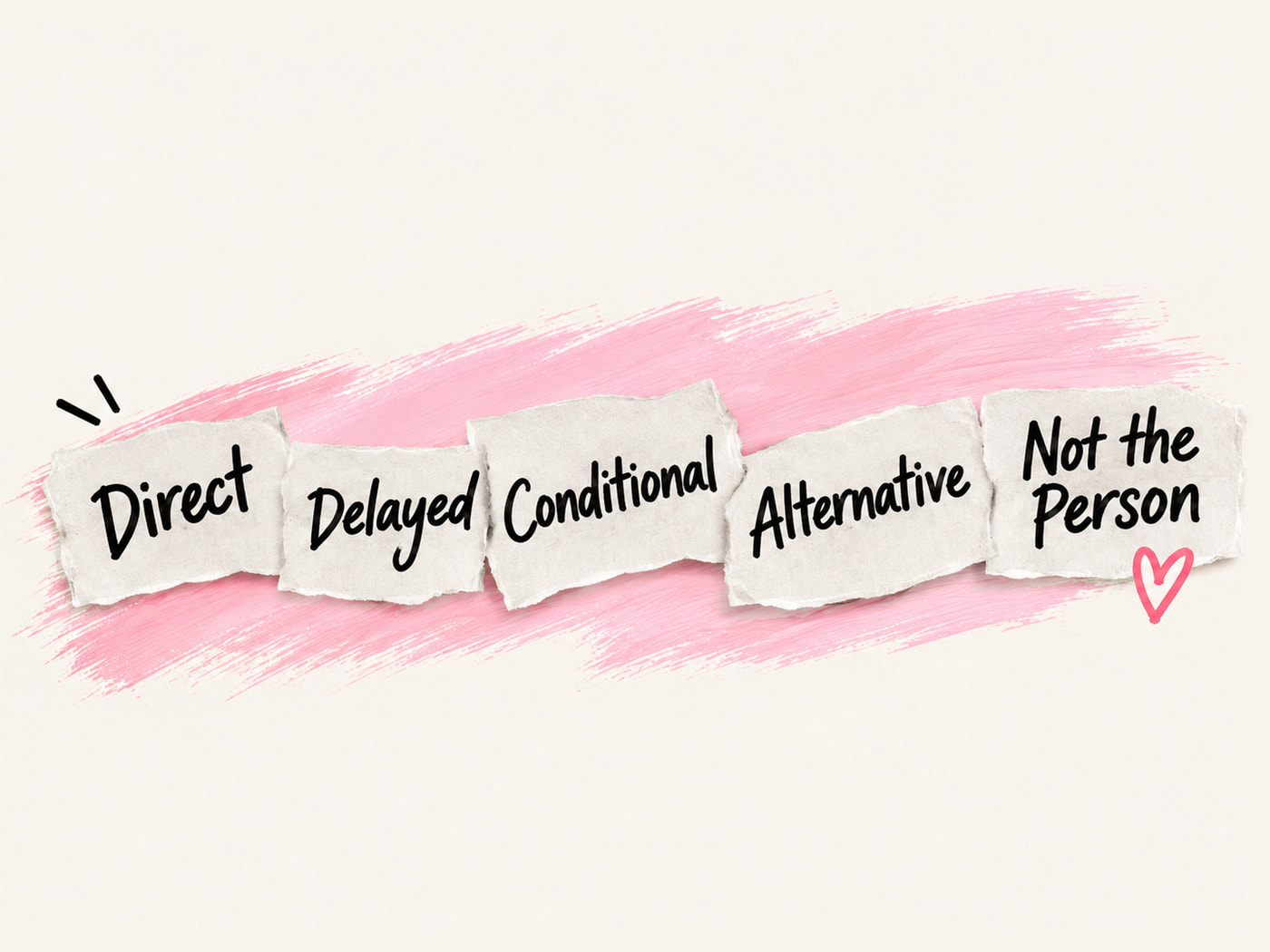
Why It Lands on Women: What the Research Shows
Solnit's point was never that all men do this. Her line was "Men explain things to me, and other women, whether or not they know what they're talking about. Some men." She did not coin the word. Young women added it later, the Guernica reprint says.
In 2014 the linguist Kieran Snyder logged 15 hours of meetings at one tech company and counted 314 interruptions. Men made 212 of them, about two thirds, and interrupted twice as often as women did. Of those 212, 149 were a man cutting off a woman: 70 percent. One company, formal meetings, men 60 percent of the speakers, so treat it as one careful count, as Snyder does.
Tonja Jacobi and Dylan Schweers studied Supreme Court oral arguments and wrote in Harvard Business Review in 2017 that the male justices interrupted the female justices about three times as often as they interrupted each other. In our view, if it happens to a Supreme Court justice, it is not about your delivery.
Why do men love to mansplain? We would not say men love it, and we found no study we could open on the motive, so this is our view. Most of it is habit: holding the floor, being raised to sound sure, never being corrected for it. Some of it is status. Very little of it is about you. Our imposter syndrome guide separates self doubt from a room that keeps doubting you, and this is the room. Name the pattern, not the person.
Is mansplain a sexist term? It names a behaviour the counts above show lands more often on women, so in our view it is descriptive, not an insult. Keep it for the cases that pass the test.
Is there a women's version of mansplaining? What is the male equivalent of mansplaining? Women interrupt too: in Snyder's count 89 of the 102 interruptions by women were of other women. In our view, the pattern is not the same in reverse, so there is no matching word for it.
It is the assumption, not the explaining.
How to Respond to Mansplaining in the Moment
Five steps, in order.
- Decide if it is worth it. A stranger at a party gets a change of subject. The colleague who does it every week gets a response.
- Say one line and stop. The shortest response gives him nothing to argue with. "I know." "Yes, I wrote that." Then silence.
- Hold the floor. If he cut in, finish your sentence at the same volume: "Let me finish." Pick up exactly where you were. Starting over hands him the win.
- Take the credit back. When your point comes back in his voice, say so to the room, not to him: "Glad you agree with what I said a minute ago."
- When it is a pattern, log it. Keep a dated note of what was said and who was there, then raise it in order: the person, your manager, then HR with the log. Our guide to gender bias in the workplace walks through that order, and how people speak to you belongs in your boundaries at work.
When it happens to a colleague, you have more room than she does: "Hang on, I want to hear the end of Priya's point." The 5 Ds of bystander intervention give four more ways to step in.
On the law, in general terms only. In our view, one mansplaining moment is usually a slight, not a legal matter. The EEOC says "petty slights, annoyances, and isolated incidents (unless extremely serious) will not rise to the level of illegality". Harassment based on sex becomes unlawful when it is severe or pervasive enough to make the workplace hostile to a reasonable person. Whether a pattern reaches that line is a question for an employment lawyer or your union, not for this page.

What to Say: Scripts for the Meeting, the Email and the Dinner Table
Keep your voice flat and friendly. The power is in the stop.
In the meeting, when he explains your own project:
"I know, thanks. I set it up. As I was saying..."
In the reply all thread:
"Thanks, Mark. That is covered in my note below, second paragraph. On the open question: we go live Tuesday."
When a man explains your own job to you:
"I do this for a living. What is the question you actually have?"
At the family dinner:
"You know I do this every day, right? Ask me anything, but you do not need to explain it."
When he says he was only trying to help:
"I believe you. The help I need is for you to ask first."
For the partner or friend you like:
"When you explain things I know, it reads as if you think I do not. I know you do not mean it. Can you check first?"
Pick one script and use it this week, the first time the test comes back with three noes. Say it once, stop, and let the silence sit. If it is the fifth time, start the dated note as well.
Key Takeaways
More on Work & Money
View All
The 5 Ds of Bystander Intervention: How to Step In at Work
5 min read

Gender Bias in the Workplace: Signs and What to Do
6 min read

How to Overcome Imposter Syndrome: A Guide for Women
4 min read

Explore more resources and keep learning with us.
Browse All Resources